
The Spice ROI: Simple Ways to Add Flavor, Decreasing Boredom and Reducing Takeout
Key Takeaways
Midweek meal prep boredom isn’t a discipline problem — it’s a variety problem. Your brain craves sensory contrast, not just calories and macros.
Small sensory shifts create big perceived change. Adjusting flavor, aroma, texture, or color can completely transform a meal without changing the base ingredients.
You don’t need more recipes — you need better rotation. Strategic combinations beat endless novelty.
The 3–2–4 framework creates leverage. Three proteins, two flavor profiles, and four vegetables can generate 100+ meal combinations from just ~16 ingredients.
Spice ROI = minimal inputs, maximum perceived variety. The goal isn’t complexity — it’s sustained engagement with less effort.
Consistency improves when meals stay interesting. When food doesn’t feel repetitive, follow-through becomes automatic instead of forced.
Disclaimer: I am not a nutritionist and this post is not medical advice. I'm simply sharing what I've learned from research and personal experience to think differently about meal prep.
Meal Prep Boredom
You open up your fridge on Wednesday evening and all you can think is "I can't eat this chicken again" or "It tastes fine... I'm just over it."
Technically, nothing is wrong with it. The macros are solid. The seasoning is on par. It just feels predictable. Deflating.
On Sunday, you felt organized. On top of your game. Staring at your neatly stacked grab-n-go meal prep containers with a quiet sense of superiority.
But by midweek, you're wondering:
Do I just lack discipline?
Do I get bored too easily?
Why can't I stick to anything?
The struggle is real.
I've been there too—multiple times. Strong Monday energy. Solid Tuesday compliance. Mild Wednesday resentment. By Thursday? I'm browsing Uber Eats like it's a survival strategy.
At some point, I questioned the narrative. If this keeps happening, maybe it's not a personality flaw. Maybe it's not about willpower. Maybe we're placing unreasonable expectations on ourselves to eat the same flavors, same texture, same everything for five days straight.
It turns out, our brain has opinions about monotony.
Why We Get Bored (and Order Takeout)
Your brain doesn't just care about calories and macros. It cares about variety.
Flavor. Aroma. Texture. Color.
Every bite sends messages to your brain and gut about what you're eating and whether it's worth getting excited about!
Midweek meal prep boredom isn’t a discipline problem — it’s a variety problem. Your brain craves sensory contrast, not just calories and macros.

For most of human history, eating the exact same thing every day didn't mean discipline. It meant scarcity. A limited food supply was the equivalent of missing essential amino acids, minerals, and vitamins the body couldn't produce on its own.
And deficiencies meant lower energy, weaker immunity, and slower recovery.
Back then, variety wasn't culinary entertainment. It was survival.
Today, we're not competing for our next meal, we're surviving week-old "mystery meat" and soggy vegetables.
So, how can we add enough variety to our meal plan that doesn't have us booking a one-night stand with Uber Eats or Door Dash? What is it that we actually need to prevent boredom?
Infinite variety never seems to work in our favor—eating a different recipe every day is... a bit much. And we already determined that the same meal in mass quantities isn't working either. What we need is just enough contrast to interrupt predictability.
Slight changes in visual, oral or olfactory stimulation to "spice it up".
Change the taste, the smell, texture, and the same base ingredients can feel entirely new.
Small sensory shifts create big perceived change. Adjusting flavor, aroma, texture, or color can completely transform a meal without changing the base ingredients.
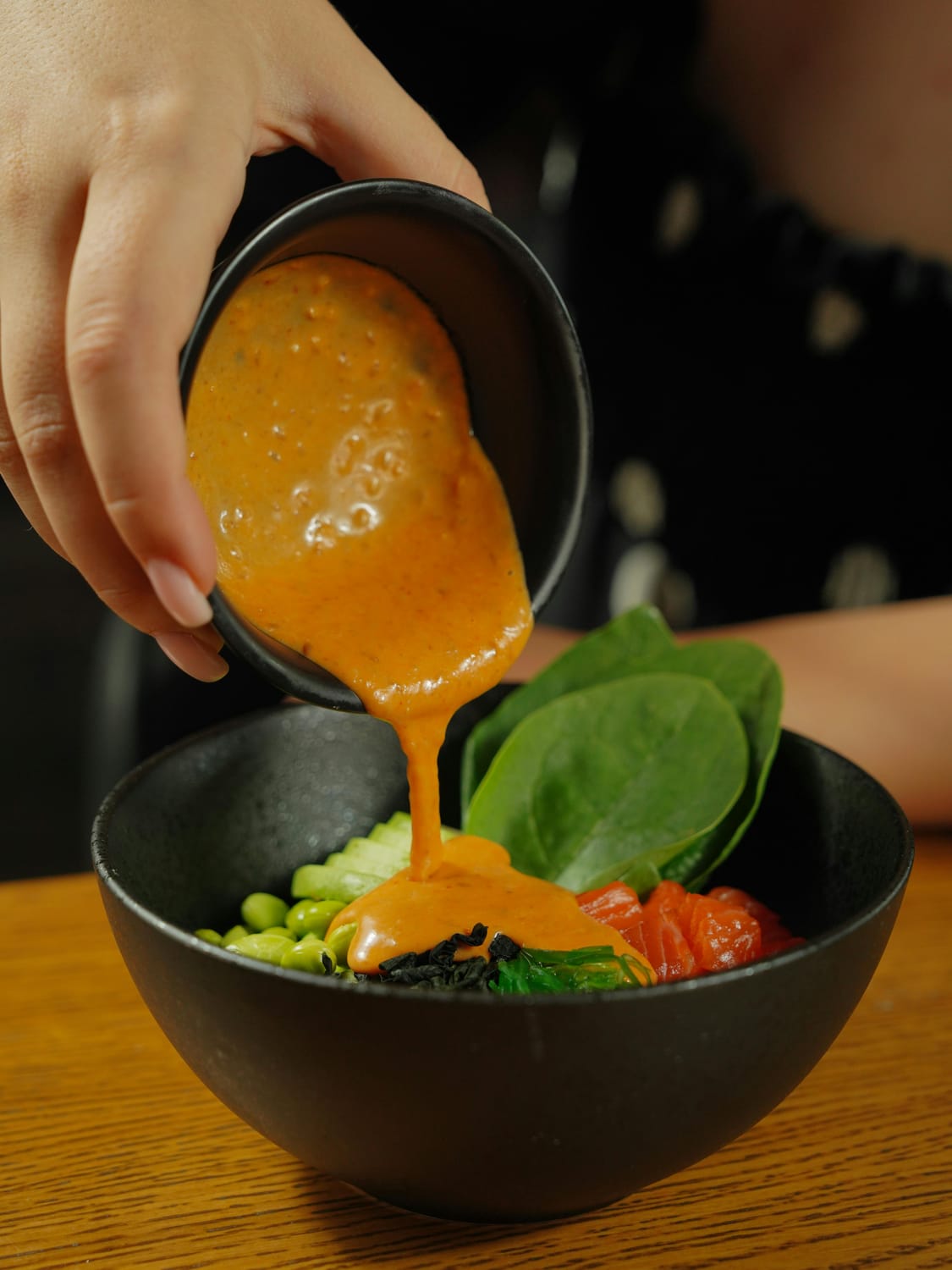
Flavor
Flavor is the fastest way to change a meal without changing the meal.
Keep the same base — rice, chicken, roasted vegetables — and shift the dominant taste. Same meal. Different chemistry.
One day, you might crave something bright and citrus-forward — a lemon-tahini sauce or lime yogurt crema with sharp acidity that feels fresh and light.
Sour flavors are often associated with vitamin C–rich foods, which support immune function and tissue repair. That sharpness doesn’t just taste vibrant — it wakes things up.
Another day calls for depth. Soy-based marinades, roasted mushrooms, caramelized onions, and broths that linger. These savory, umami-rich flavors are closely tied to protein-containing foods — the structural building blocks for muscle, enzymes, and hormones.
Bitterness adds contrast — and tension. Peppery arugula pesto, charred broccoli with a smoky rub, radicchio in a grain bowl. Bitter compounds are common in deeply pigmented phytonutrient-dense plants that support the body's stress response.
And then there's sweetness — not dessert-level, but balancing sweetness. Roasted carrots, a maple-Dijon glaze mango-chili salsa. Sweetness often signals accessible energy. It softens sharper notes, rounds out intensity, and brings comfort without putting you to sleep.
When you rotate these dominant tastes throughout the week, you're not just creating novelty. You're presenting your brain with different sensory cues — setting different expectations about what's coming, what nutrients are present, and how to respond.
Same base. Different stimulation.
Aroma
Before food even touches your tongue, aroma shapes the experience — creating interest, desire. It influences appetite, memory, and expectation. It primes digestion, stimulates saliva, and begins building satisfaction before the first bite.
Even subtle shifts — fresh herbs instead of dried, steamed vegetables instead of fresh — reignites curiosity.
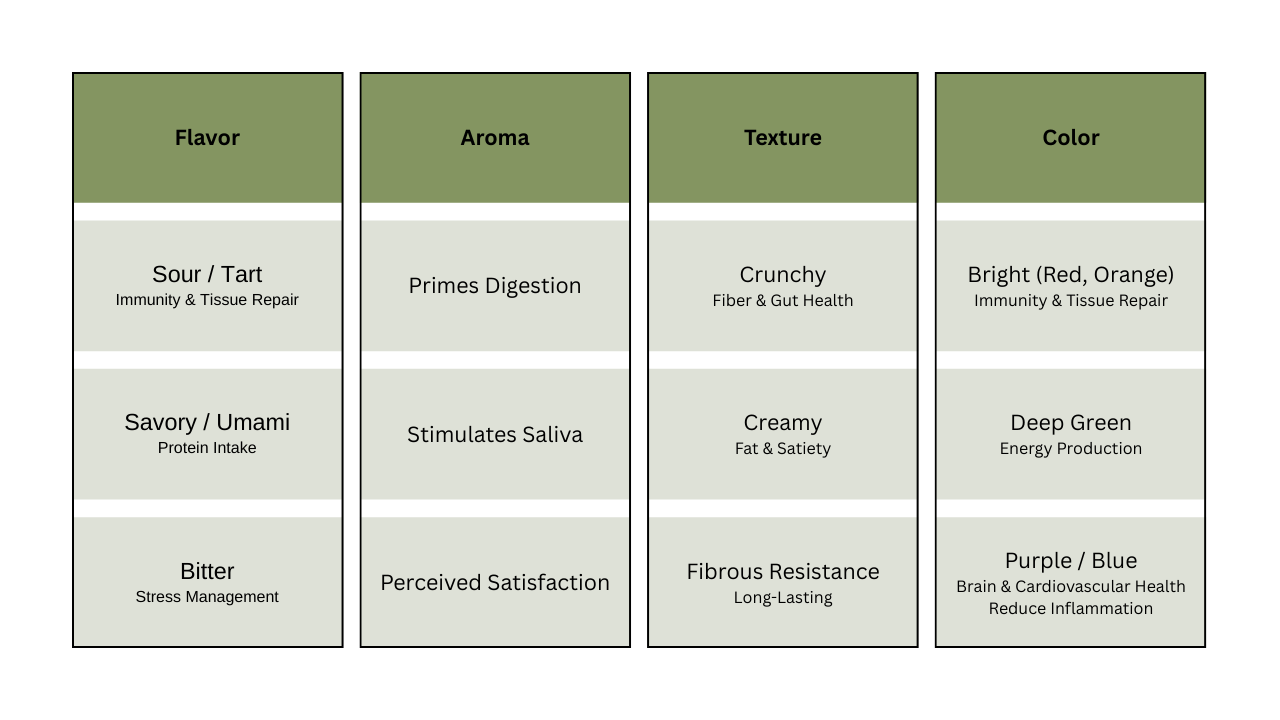
Texture
Soft, uniform bites are easy to ignore.
Crunchy roasted chickpeas. Crisp snap peas. Tender chicken. Creamy avocado.
Texture gives your mouth something to explore. It tells your digestive system to get ready, stimulating saliva and priming enzymes.
Fibrous veggies slow things down, steadily releasing energy. Creamy fats linger, keeping you full and satisfied. A mix of textures throughout the week prevents meals from blending together into one forgettable experience.
Color
Your brain notices color instantly. Bright reds and oranges? Antioxidants that help you recover and keep the immune system humming. Deep greens? Fiber, minerals, slow-burning energy. Purples and blues? Compounds that support resilience and cellular health.
A varied plate isn’t just prettier on Instagram — it keeps your brain engaged. Rotate pigments throughout the week and even familiar ingredients feel fresh.
You don’t need more recipes — you need better rotation. Strategic combinations beat endless novelty.
The Spice ROI Framework: 3 Proteins + 2 Flavor Profiles + 4 Vegetables
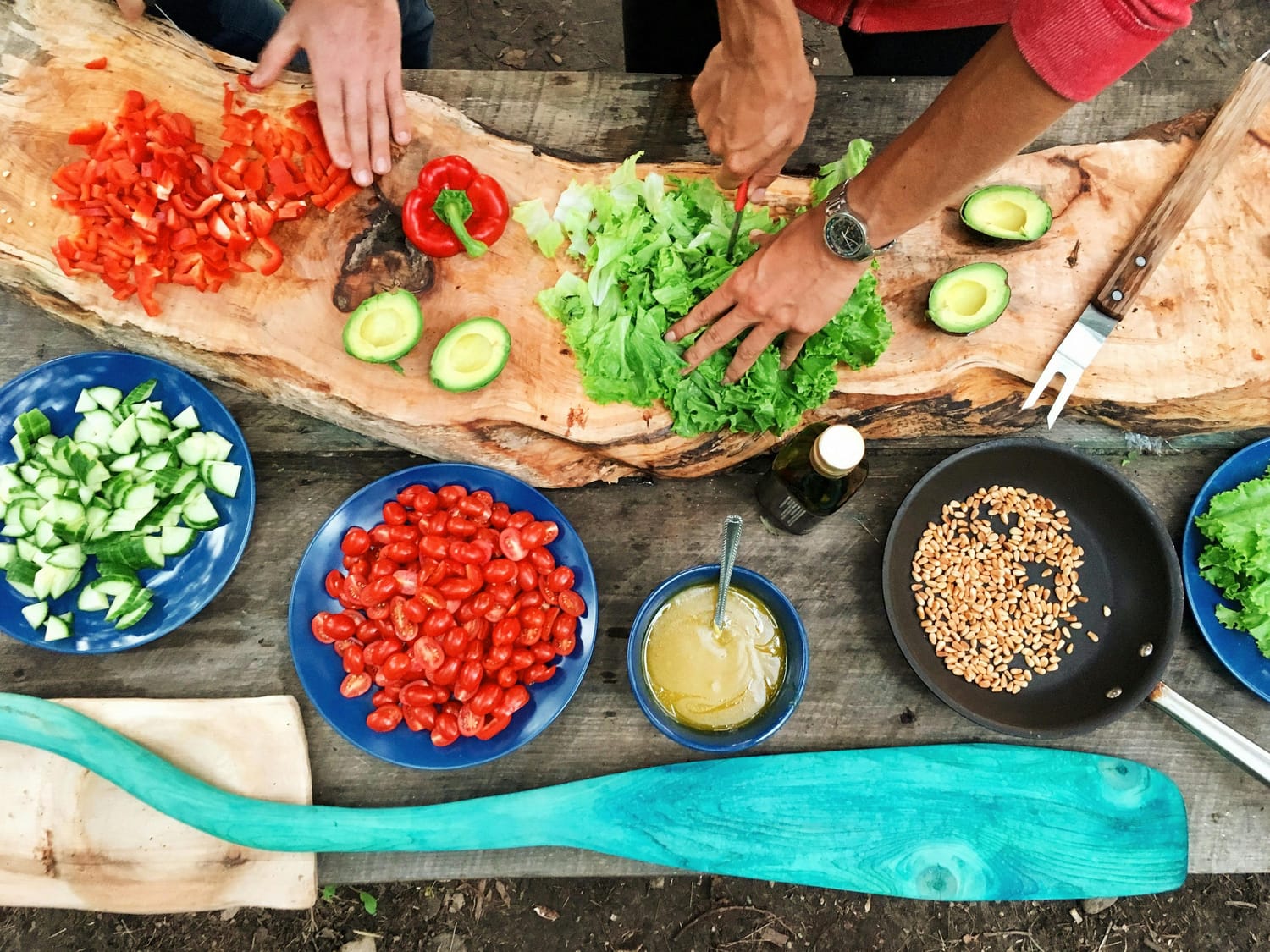
Understanding how to add variety is one thing. Implementing it without destroying your Sunday is another.
Instead of chasing endless recipes, be intentional about rotating a small set of ingredients.
Three proteins.
Two flavor profiles.
Four vegetables.
That's enough.
Let's illustrate.
Proteins [1 per meal]: Chicken, Ground Turkey, Eggs
Flavor Profiles [1 per meal]: Peanut Sauce, Lemon Dill
Vegetables [2 per meal]: Spinach, Sweet Potatoes, Red Bell Pepper, Broccoli
Proteins + vegetables = 7 core ingredients.
Add:
Peanut sauce (natural peanut butter, soy sauce, sriracha, garlic)
Lemon dill (greek yogurt, lemon juice, dill, garlic)
Two base formats (rice and tortillas)
That's roughly 16 total ingredients. Give or take a few if you use a few more spices.
With those 16 ingredients, assembled as bowls, wraps, stir fries, or plated meals, you can create:
3 Proteins x 2 Flavor Profiles x 6 Veg Combos x 4 Meal Types = 144 Meals!
The Spice ROI
Meal prep doesn't have to be complex. When you structure your week with an easily repeatable system, you deliberately "maximize return while capping your investment".
In meal prep, your "investment" is:
Time
Grocery Cost
Prep Effort
While your "return" is:
Flavor Contrast
Perceived Novelty
Sustained engagement throughout the week
"Spice" isn't just seasoning. It's differentiation. It's contrast. It's what keeps Wednesday from feeling like Monday's leftovers.
You're not overloading on ingredients. You're using proteins to create structural variation, vegetables for texture and visual contrast, and flavor profiles for a little "zest".
You're working with the ingredients you have without doubling your prep time or your grocery bill.
That's leverage!
Spice ROI = Minimal Inputs x Maximum Perceived Variety x Sustained Follow-Through
What This Looks Like For Your Week!
Step 1: Prepare your proteins.
Cook and store separately. Ground meats can be fully cooked ahead of time. Chicken can be cooked ahead or marinated and prepared fresh during the week.
Step 2: Chop your vegetables.
Roast them on Sunday or keep them raw and cook as needed to avoid a soggy mess. Both approaches work — it’s a preference call.
Step 3: Prepare your sauces.
Store in squeeze bottles or jars for quick use.
Step 4: Cook your grains.
Rice, farro, barley — whatever base you choose — cook once and store for easy assembly.
That's it!
Now you're not cooking full meals every night. You're throwing together a few pre-prepped ingredients.
What Your Week Might Look Like
Red Pepper Egg Bites
Turkey Peanut Rice Bowl
Lemon Dill Chicken Wrap
Egg Scramble with Lemon Dill Drizzle
Thai Chicken Stir Fry
Same core ingredients. Completely different experiences.
Add chopped nuts or pickled onions for extra texture.
Swap spinach and red bell pepper for broccoli and sweet potato.
Turn the scramble into a tasty breakfast burrito.
You're not starting over — you're remixing with intention.
Consistency improves when meals stay interesting. When food doesn’t feel repetitive, follow-through becomes automatic instead of forced.
The goal isn't culinary perfection. It's sustainability. You want enough variety to keep meals interesting. Enough structure to keep groceries simple. And enough flexibility to prevent the Wednesday blues.
Invest once. Benefit all week.
When your food stays interesting through Friday, consistency stops feeling like discipline — and starts feeling automatic.
If you enjoyed this post, I would love to hear from you! You can reach me by email at info@flavorandthyme.com or through my contact page. Let me know your favorite part!
Disclaimer: I am not a nutritionist and this post is not medical advice. I'm simply sharing what I've learned from research and personal experience to think differently about meal prep.
POST CATEGORY
EAT WELL
SAVE MONEY
PLAY THE LONG GAME.
Created with systeme.io